I just got back from a week on Rapa Nui (Easter Island), and here’s the upshot: if you *ever* find yourself with the time and the means to get out there, you should. You’ll be supporting tourism on the island, which is the only industry there and thus the main anchor that keeps Rapa Nui families together in their ancestral homeland: unlike in places like Bora Bora, where 80% of the tourist dollar goes offshore to big resort companies in Europe, etc., 90% of the tourist dollar stays on Rapa Nui and is reinvested into the island. There are plenty of family-run cabañas to stay in: I stayed at Tokerau with Ivonne Nahoe and her beautiful family and was very comfortable.
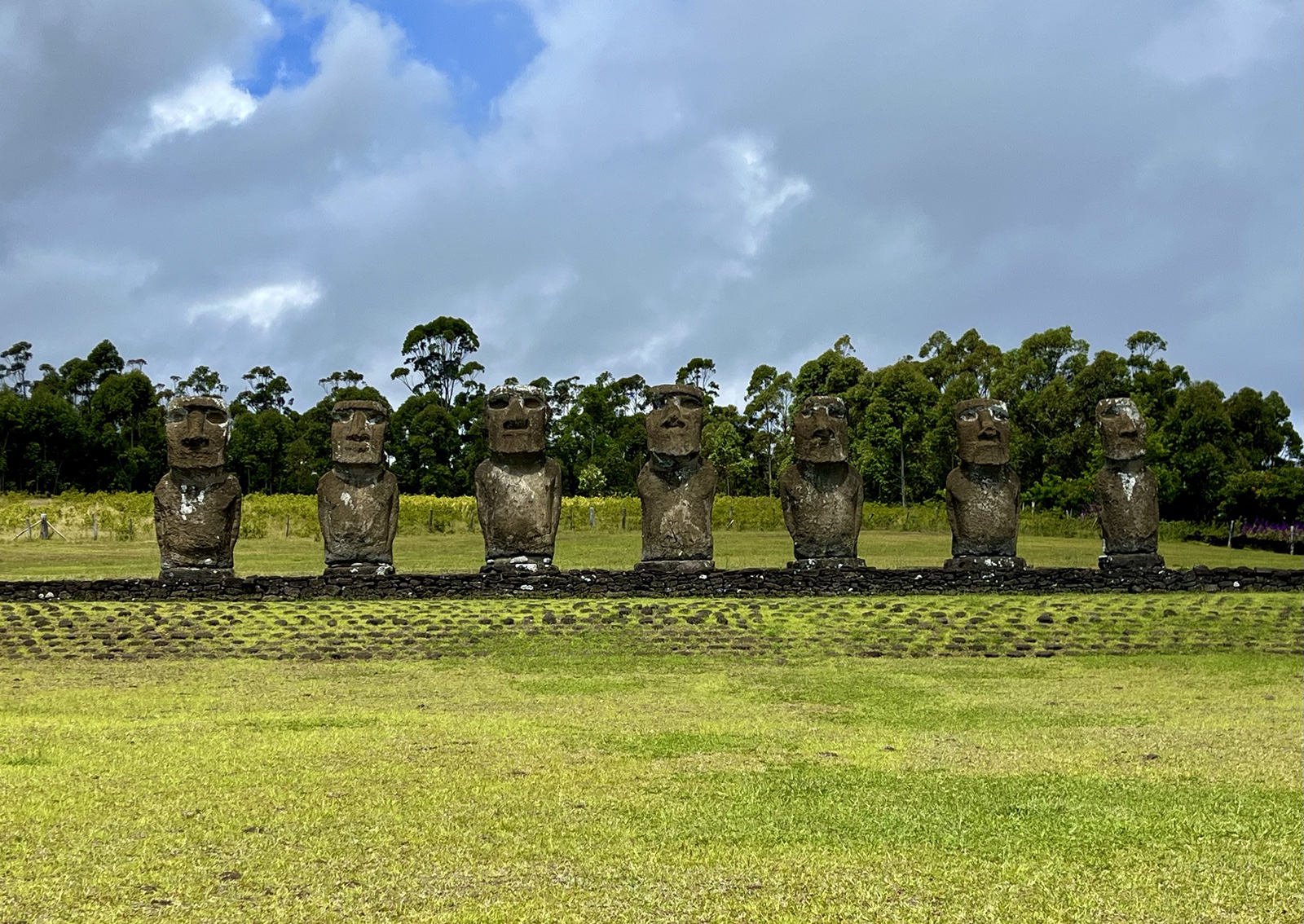
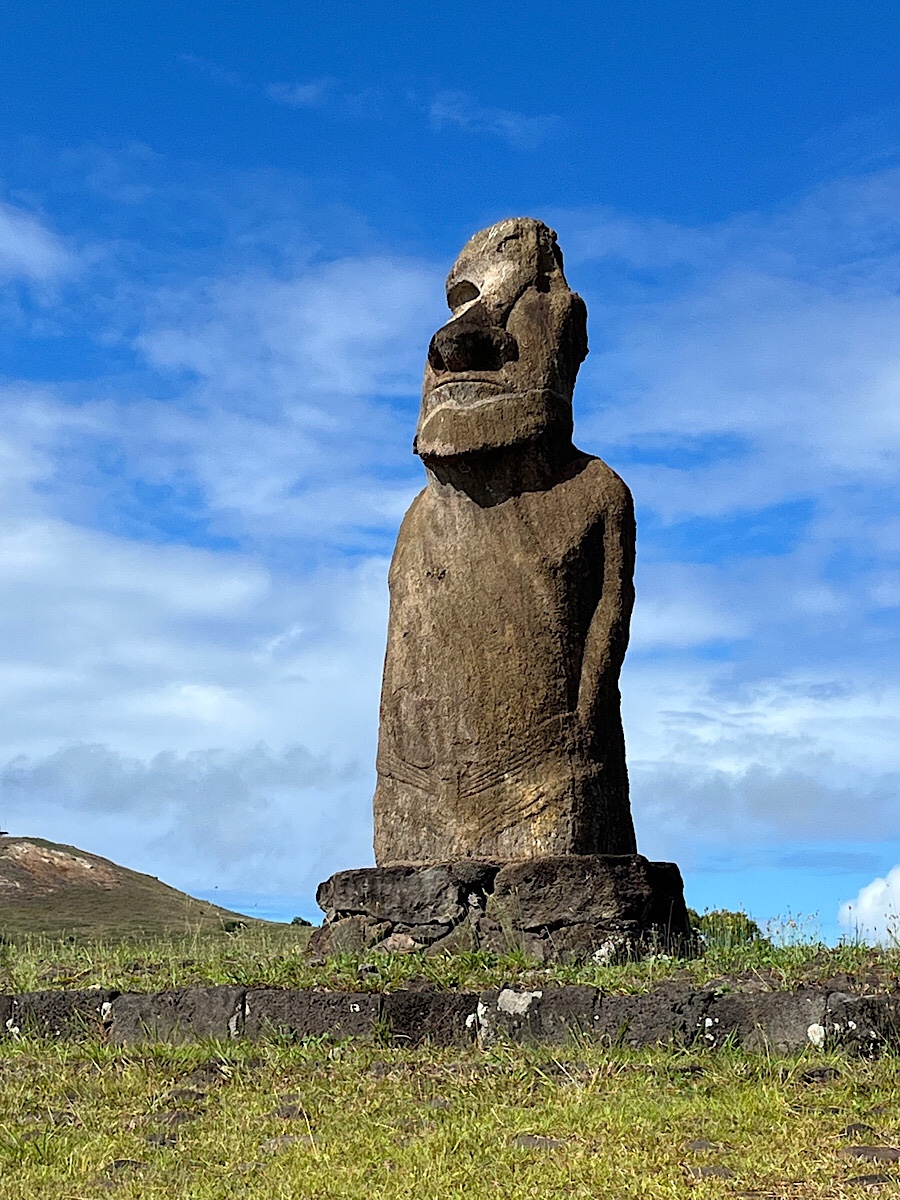
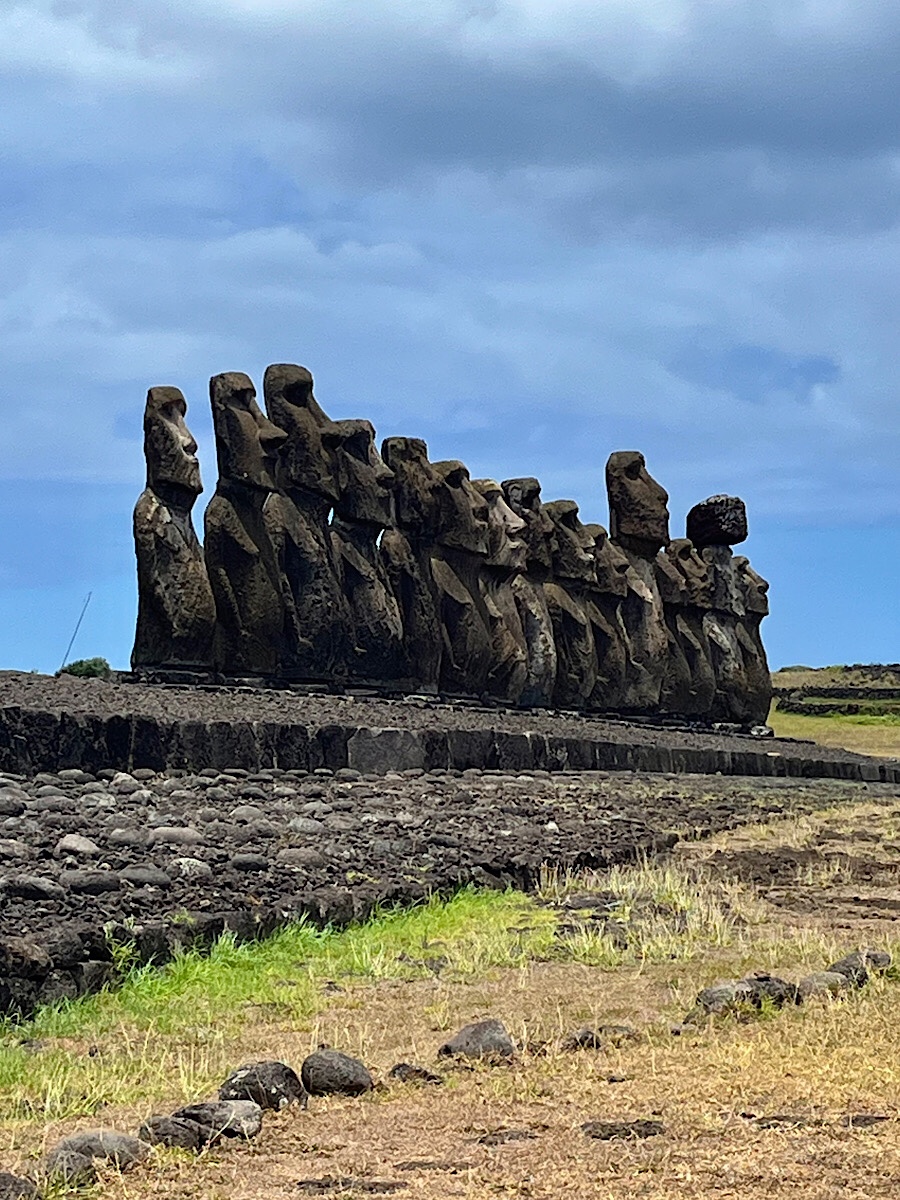
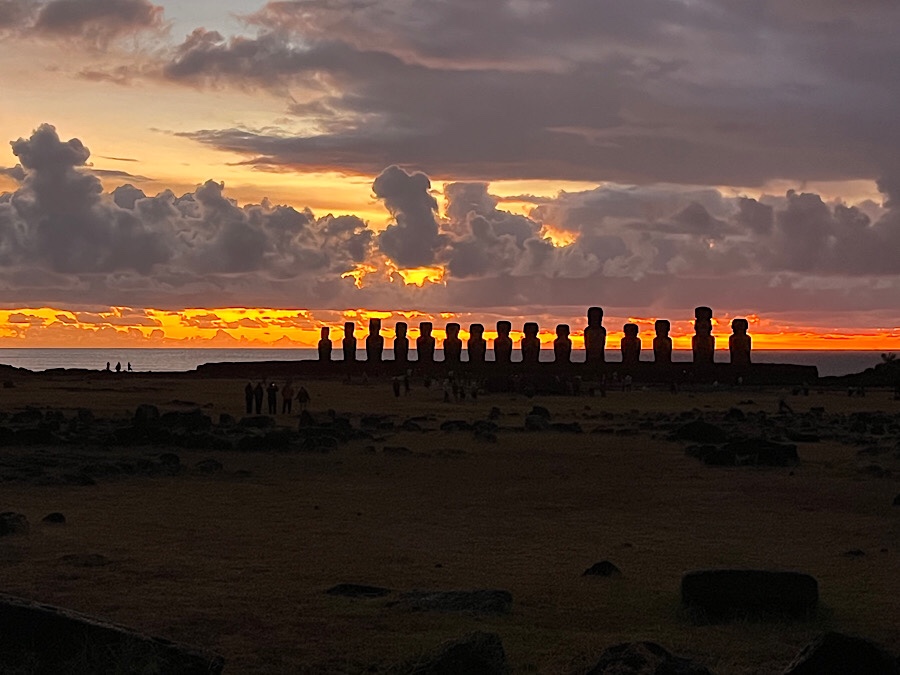
Of course the moai are special—and trust me you haven’t even experienced a thousandth of their grandeur by viewing pictures of them. Some are nearly 30 feet tall, and all were hewn from the volcanic tuff with hand axes and moved (they think like you would a refrigerator if you didn’t have a dolly—kind of by turn-scooting on their bases) miles across the island into their final alignments. But even more special are the people who dreamed and engineered the moai, and they still live there and are still carving and thriving and building their future. I don’t want to say much more about the island’s history and culture because I don’t feel it’s my place to: but you can read Francisco Nahoe’s chapter in Global Rhetorics of Science to learn more, and there are websites that document Rapa Nui from an Indigenous perspective. Here I’ll just offer a some practical tips for travelers from North America and Europe.
- You can visit year-round, and there are fewer tourists in the winter (Northern Hemisphere summer). There will just be fewer flights from Santiago, Chile—currently the only gateway—in the winter, so leave yourself a nice two-week window to travel, is my advice.
- On that note, you want to spend a minimum of a week on the island. There is a lot to see, and you also want to just relax and get into the rhythm—this is particularly important on Rapa Nui, I think. You’ll miss a lot of the “why” behind the cultural sites if you rush from place to place.
- Credit cards are widely accepted on the island, so you won’t need cash (Chilean pesos) for anything but small purchases like roadside pineapples. If you do want to take cash out, the Banco Estado ATM in Hanga Roa worked for me (just make sure to choose the Foreigner/Extranjero option).
- Young people on the island frequently speak at least some English (and occasionally French, German, or Italian), but Spanish is the business language on the island. Learn a little Rapa Nui as well, even if just to greet people: it’s not cringey—they appreciate it. Here’s a good little tutorial.
- The trade winds make the island pretty pleasant year-round, but if they drop in the summer, it can get hot and sticky fast, and air conditioning is not really a thing. So, if you travel there in their summer months, bring cool, breezy clothes and fans, and if the trades drop, plan more strenuous activities for early or late in the day, and otherwise plan on swimming, taking lots of cool showers and siestas, and eating loads of ice cream and cold pineapple.
- You’ll want to hydrate really well, too. Tap water is safe to drink on the island but often upsets the stomachs of tourists unaccustomed to the high mineral content. So you might want to stick to canned or bottled water for drinking. The tap is perfectly fine for tooth-brushing, etc.
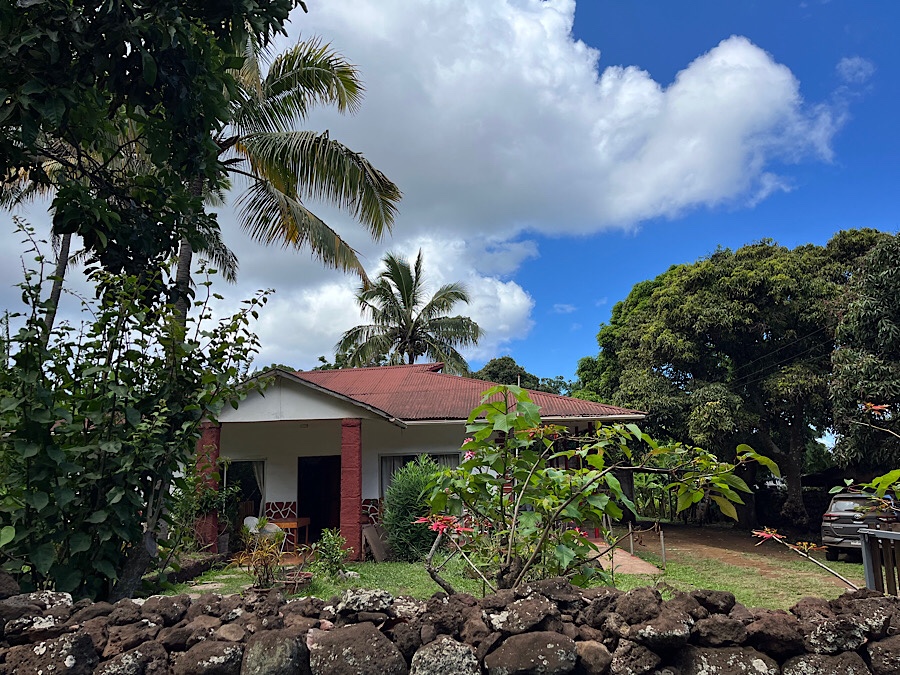
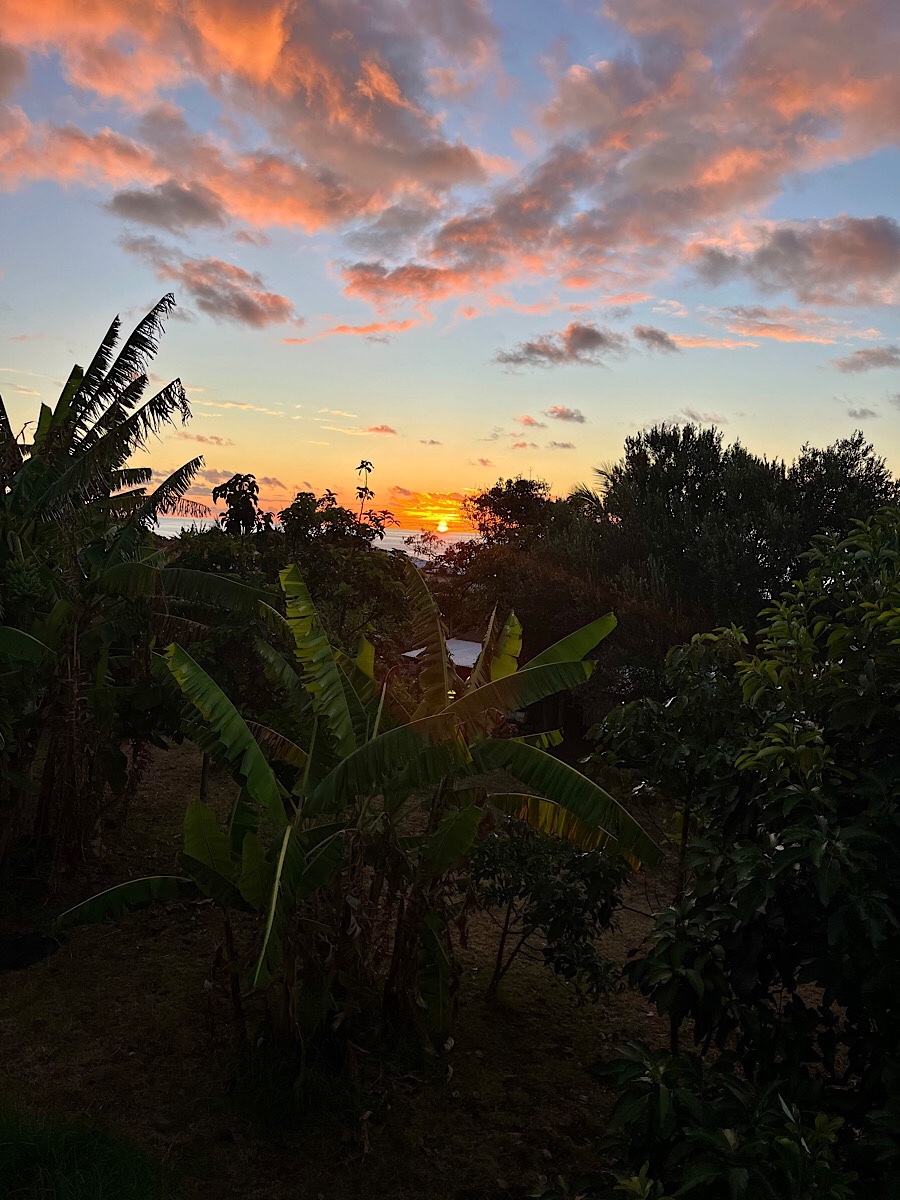
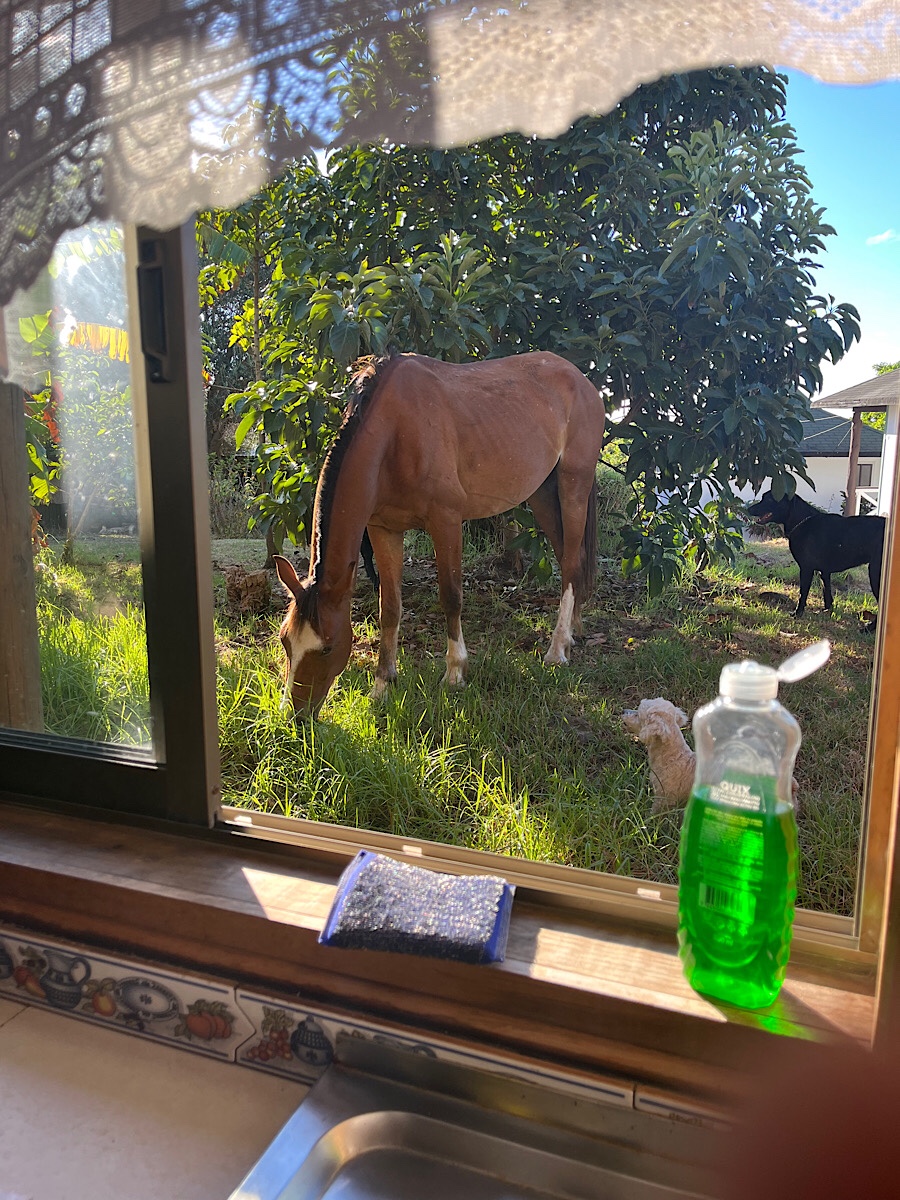
- Accommodations on the island are generally clean and comfortable but rustic. Most family-run cabañas have no AC, as I noted above, and yes, there will be mosquitos and the occasional little spider or tiny gecko, or neighborhood cat that lets itself in through your open window. It’s an island! And it’s a small price to pay for letting the waves and the ocean breeze lull you to sleep every night and waking up to the sun on the cobalt-blue sea.
- The UV is crazy strong on Rapa Nui thanks to the hole we punched in the ozone layer in the first half of the 20th century. So, bring tons of sunblock and a hat and wear light long sleeves and pants if you’re out hiking around the ahu sites. Unless your skin is quite dark, you will burn in 15 minutes without protection.
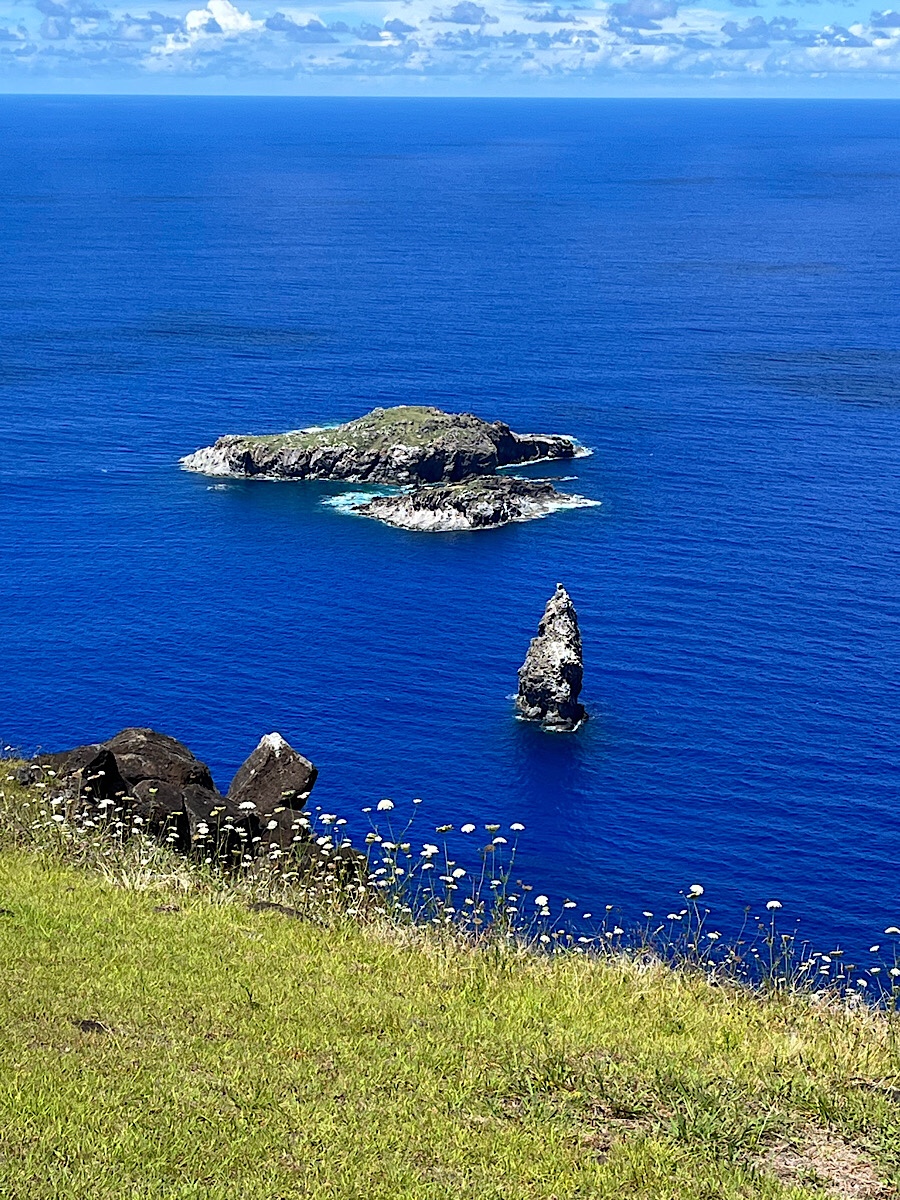
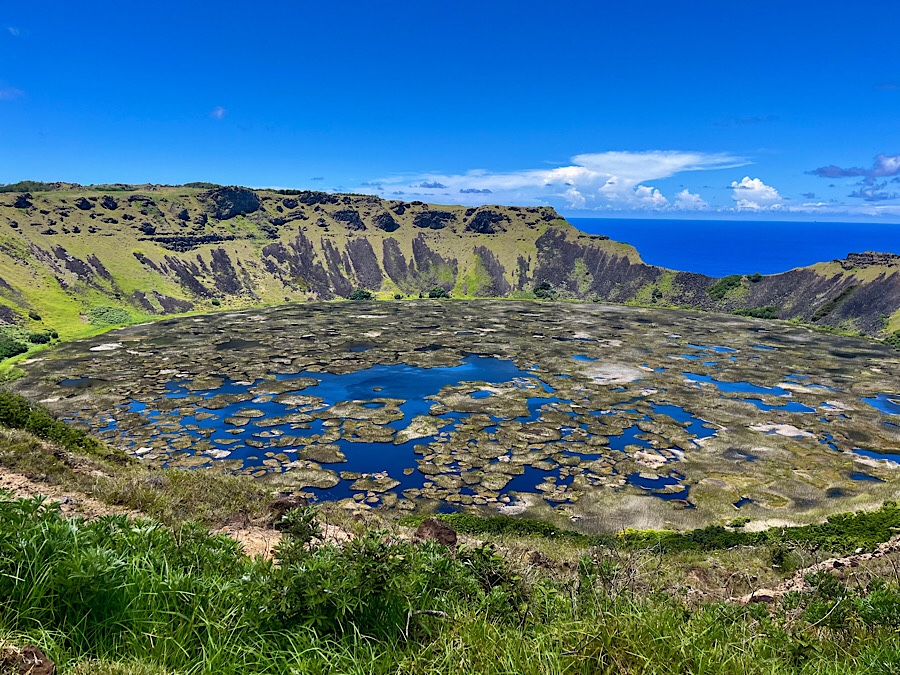
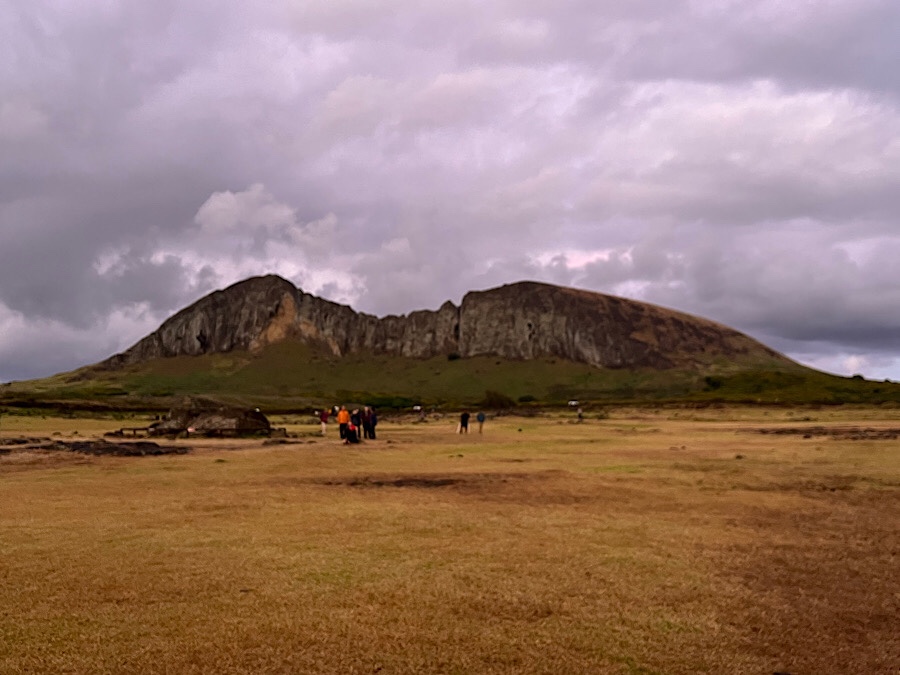
- Spend the mornings viewing the ahu (installations of moai), the quarries at Rano Raraku and Puna Pau, and the reconstructed ceremonial village at Orongo. In the afternoons, you can take a snorkeling trip to Motu Nui, enjoy kayaking or tuna fishing, explore the volcanic caves on the island, or just relax at Anakena Beach. In the evening, I strongly recommend taking in a traditional umu (communal pit-roasted meal) and dance show at Te Ra’ai. Watching the sunset from any of the terrace restaurants with a cocktail or glass of fresh passion fruit juice is highly recommended as well.
- The food on the island is delicious, revolving around fish, sweet potatoes, and fruit. I didn’t have a bad meal while I was there, but the tuna at Altiplánico and the ceviche (or really anything) at Chez Ramon were standouts. Make sure to try the empanadas, and drink as many fresh juices as you can.
- The best souvenirs to bring home are hand-carved wood, stone, and shell pieces. The boutiques along Te Pito o Te Henua are your best bet, and you may find a few unique items at the Mercado Artesanal and the Feria Artesanal.



 The Rookery
Thank you ever so much for sharing. I am happy to see a bit of your colleague and friend’s homeland. Always love seeing people’s places of origin. I appreciate deeply Francisco Nahoe’s chapter 5 in Global Rhetorics of Science (SUNY Press, 2023), “Where Voyaging Ends: Social Cosmology on Rapa Nui.” As well as his invitation to visit his family. It is my first introduction to Easter Island / Rapa Nui. A society of amazing energy.
LikeLike