I determined soon after I arrived in Berlin that I wanted to ride the entire perimeter of the former Wall (die Mauer): there’s a well-signed route that circles the whole thing. And since I’m starting a bike tour in Brittany and Normandy next weekend, I figured it was high time to get my butt in gear (quite literally).
Due to time contraints I decided to ride the Mauerradweg in 3 sections, which is how it’s broken down in the GPX files the city nicely provides. Today I did the City Route segment for about 40 km (I actually rode from Warshauer Straße to Hohe Neuendorf, so that meant I started the Stadtroute segment a bit late and pushed a bit into the next segement). I caught the S-bahn back to my place from Hohe Neuendorf, which is super-easy with a bicycle as long as it’s not rush hour and you buy a ticket for it.
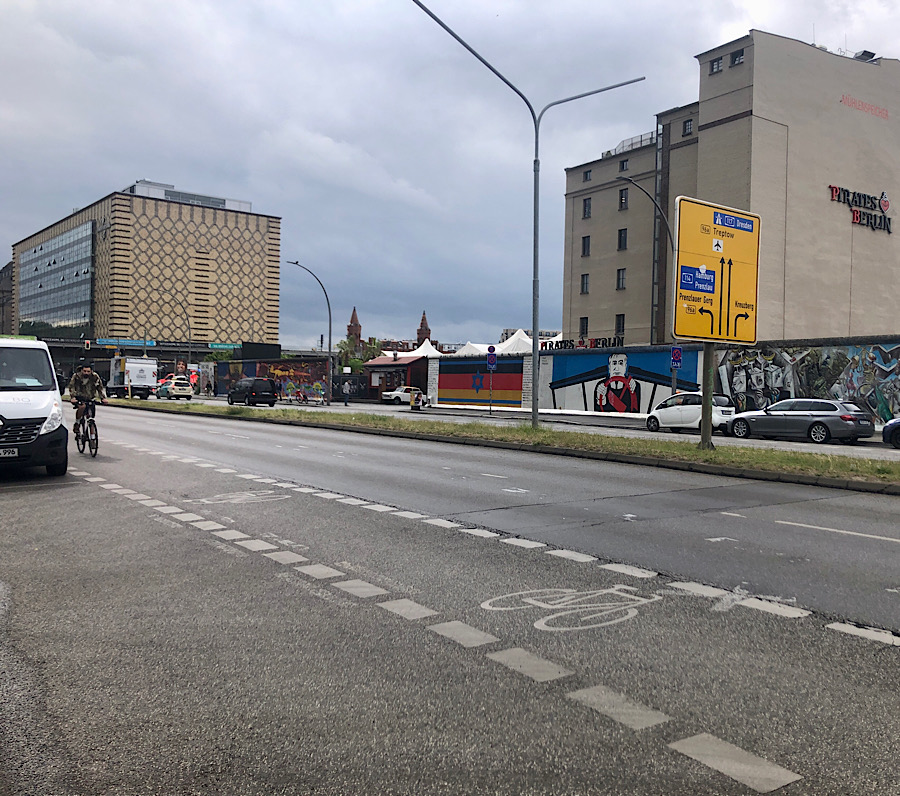
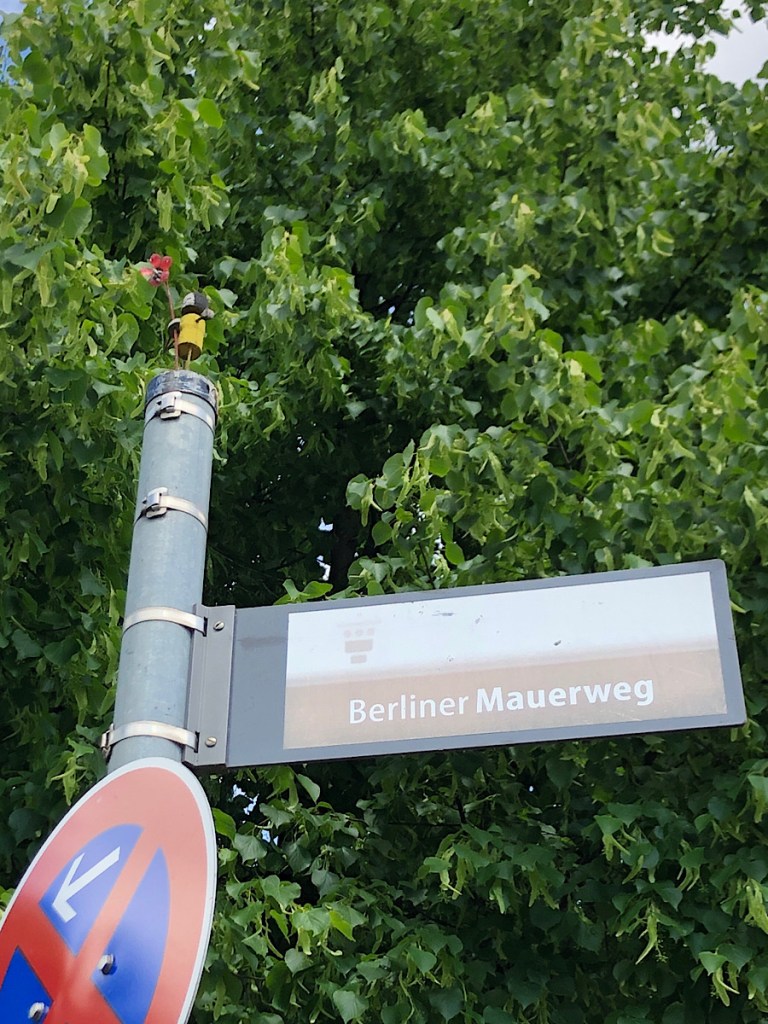
I ride a lot in Mitte, so I’m pretty accustomed to all the traffic and the crossings: still, it dragged my average pace down to 12kph over the course of the route. Though the route is generally well-marked, I missed a couple of turns, and a couple of signs were missing, so backtracking added just a bit of time as well. Even though the wall is completely down in most neighborhoods, you start to get a feel for this sort of invisible break or scar it left in the urban landscape–marked by old buildings on one side and really new ones on the other; that’s how you know you’re on the Mauerweg. Otherwise, it’s tough to follow because it zigs and zags in a way that must have only made sense to the dudes who drew it on a map of Berlin: it doesn’t seem to follow any logic other than the river, which it has to.
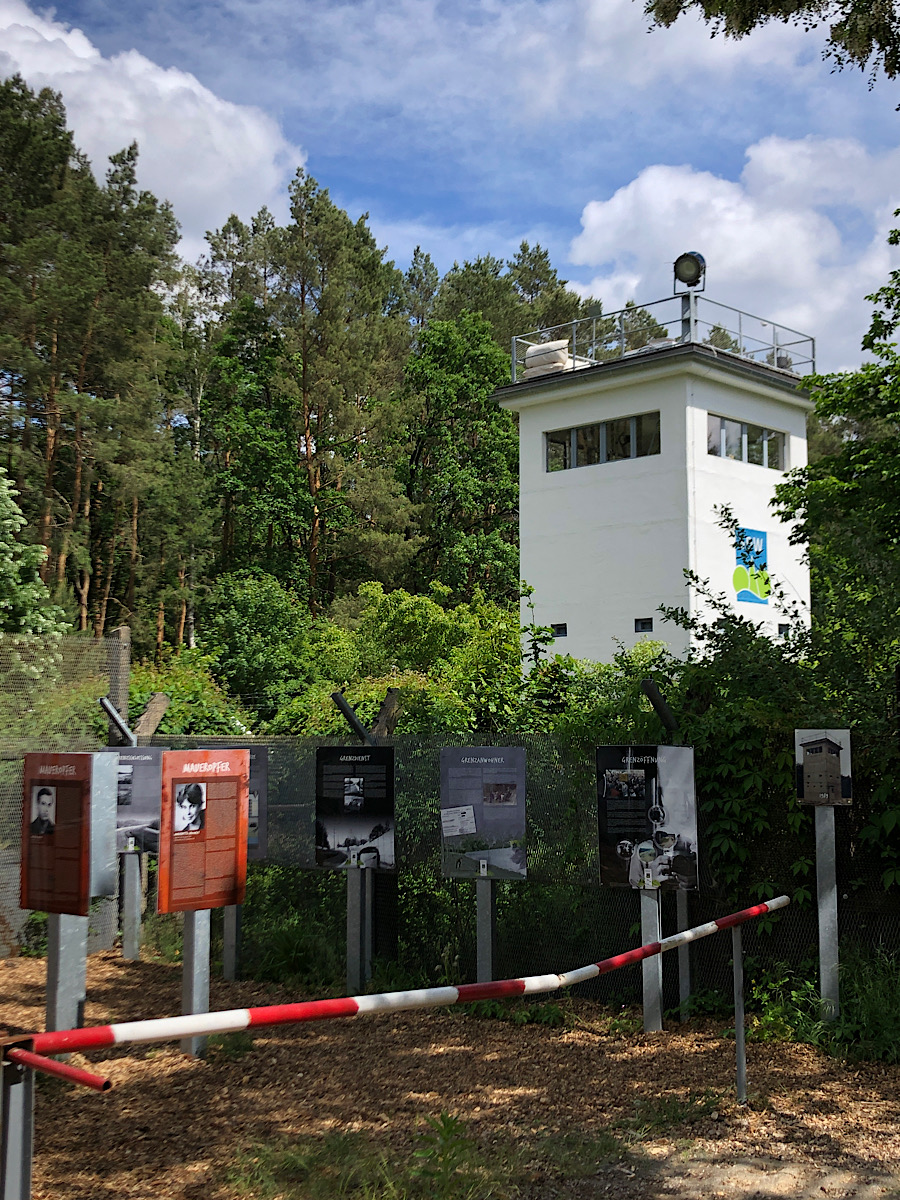
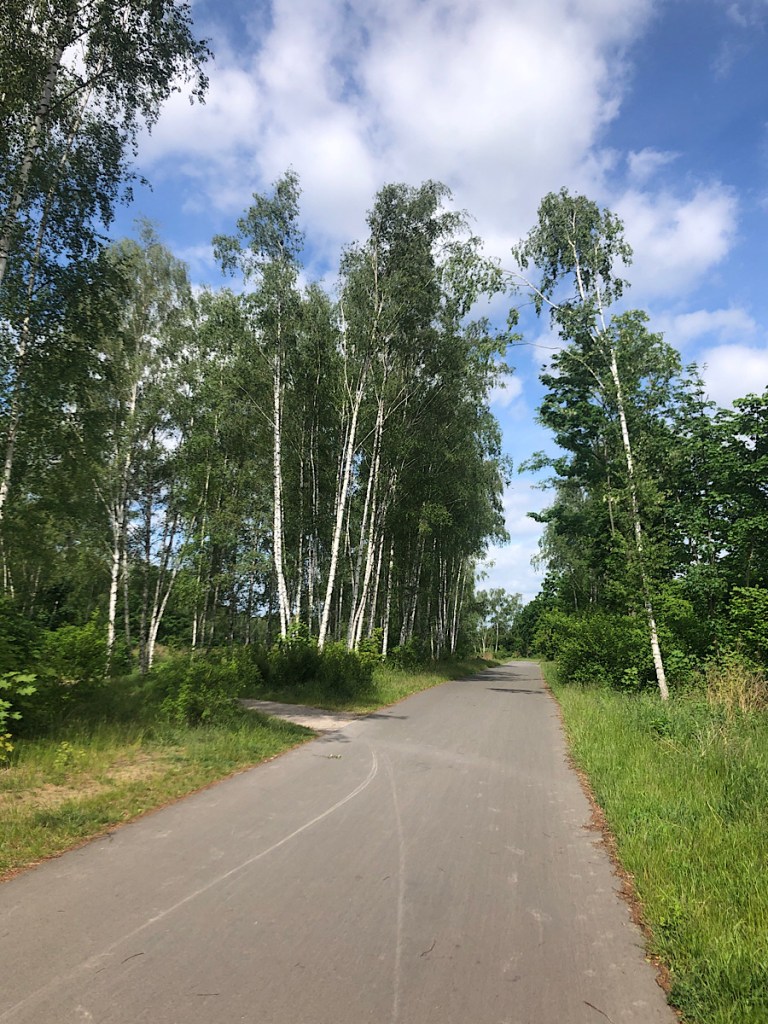
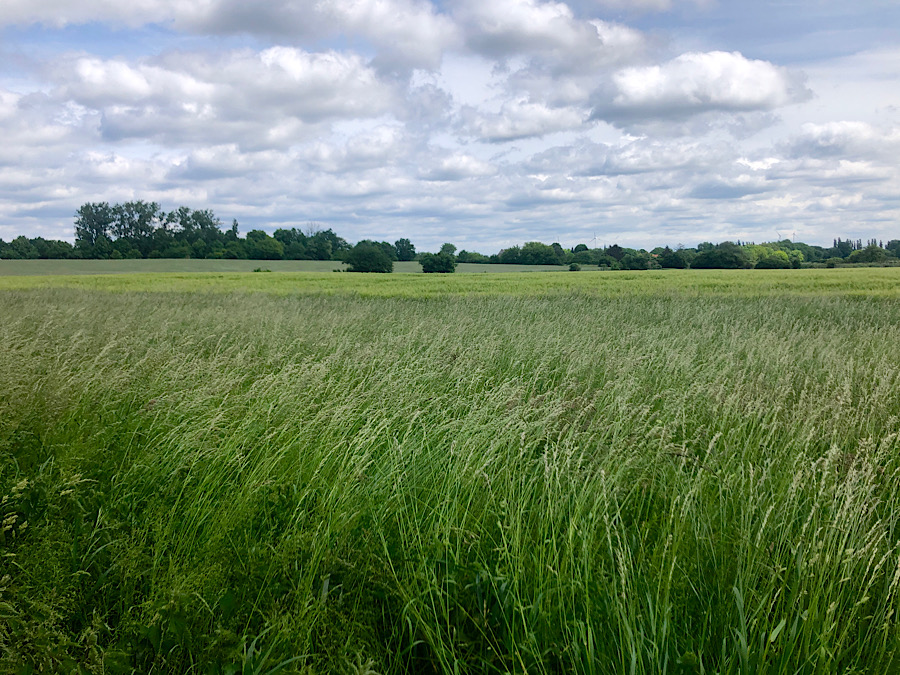
It must have been so traumatic for Berliners when it went up. Apparently, the first version of the Wall was raised overnight: people literally woke up the morning of August 13, 1961, and found razor wire where they used to cross the street to Grandma’s, or the grocery store. Once the Mauerradweg leaves Mitte, it gets less random and herky-jerky, running for long segments alongside train tracks. And when you get out into the Brandenburg countryside, it becomes bucolic and beautiful–all birches and open fields, pine forests as you head into Hermsdorf. Then, without warning, a watchtower looms overhead, staked around with memorial plaques dedicated to the Maueropfer, the people who died or were killed trying to cross the wall: of the 140 official Maueropfer in Berlin, roughly 100 were violently killed by GDR guards (including 70-ish shootings), and 40-odd died accidental deaths (falling or drowning, primarily).
This jarring juxtaposition of Berlin’s current lifestyle with its traumatic history is in my experience typical of the way that Germany has elected to handle its past: by confronting it and working through it rather than pretending it didn’t happen. So, during my idyllic birch-forest rest stop on the Mauerradweg, I ate lunch facing photos of beautiful, earnest young men and women who aren’t in this world anymore because they tried to climb over a wall into a better life. It didn’t feel comfortable, but it did feel right.
 The Rookery
Thank you for your commentary and photos. What a meaningful tribute the Mauerradweg is to that 20th Century part of Germany’s history and the genius and resilience of its people. A stunning example of why I admire them so.
LikeLike