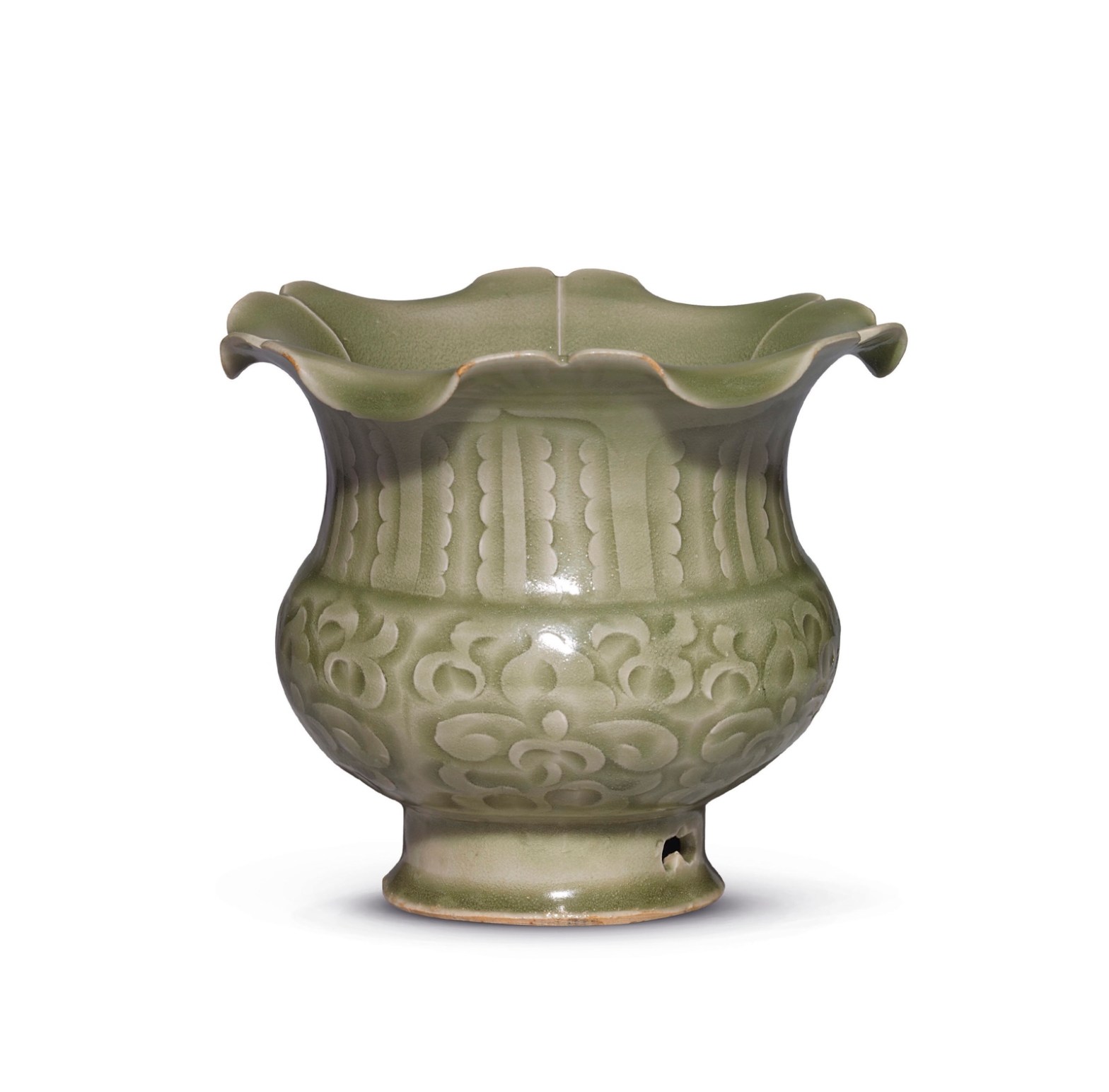
With the Yaozhou kiln, we complete our series on Song Dynasty ceramics. The kiln at Yaozhou, in Shaanxi province, was active since the Tang Dynasty and transitioned to making celadon wares sometime in the early Northern Song period (960-1127 AD). While never as luminescent as their southern Longquan cousins, Yaozhou celadons were collected by theContinue reading “Ceramics Saturdays: Yaozhou Ware”
Tag Archives: ceramics
Ceramics Saturdays: Cizhou Ware
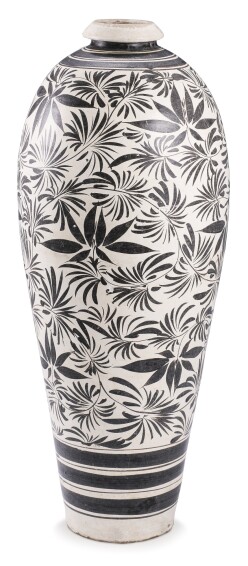
Cizhou ware is both easy and hard to identify. Easy because the distinctive black-on-white designs are difficult to mistake; hard because the style was so popular that it can’t be pinned down to a single kiln or time period–which greatly affects its value. Cizhou-style wares were produced from the Tang to Ming dynasties, first inContinue reading “Ceramics Saturdays: Cizhou Ware”
Ceramics Saturdays: Longquan Ware

If you like celadon, then Song dynasty Longquan ware is for you. Production began in the Northern Song and lasted well into the Ming, making Longquan ware one of the most enduring and popular Song styles. Over 500 kilns were active in Zhejiang and northern Fujan provinces, with the largest “dragon” style ones capable ofContinue reading “Ceramics Saturdays: Longquan Ware”
Ceramics Saturdays: Qingbai ware
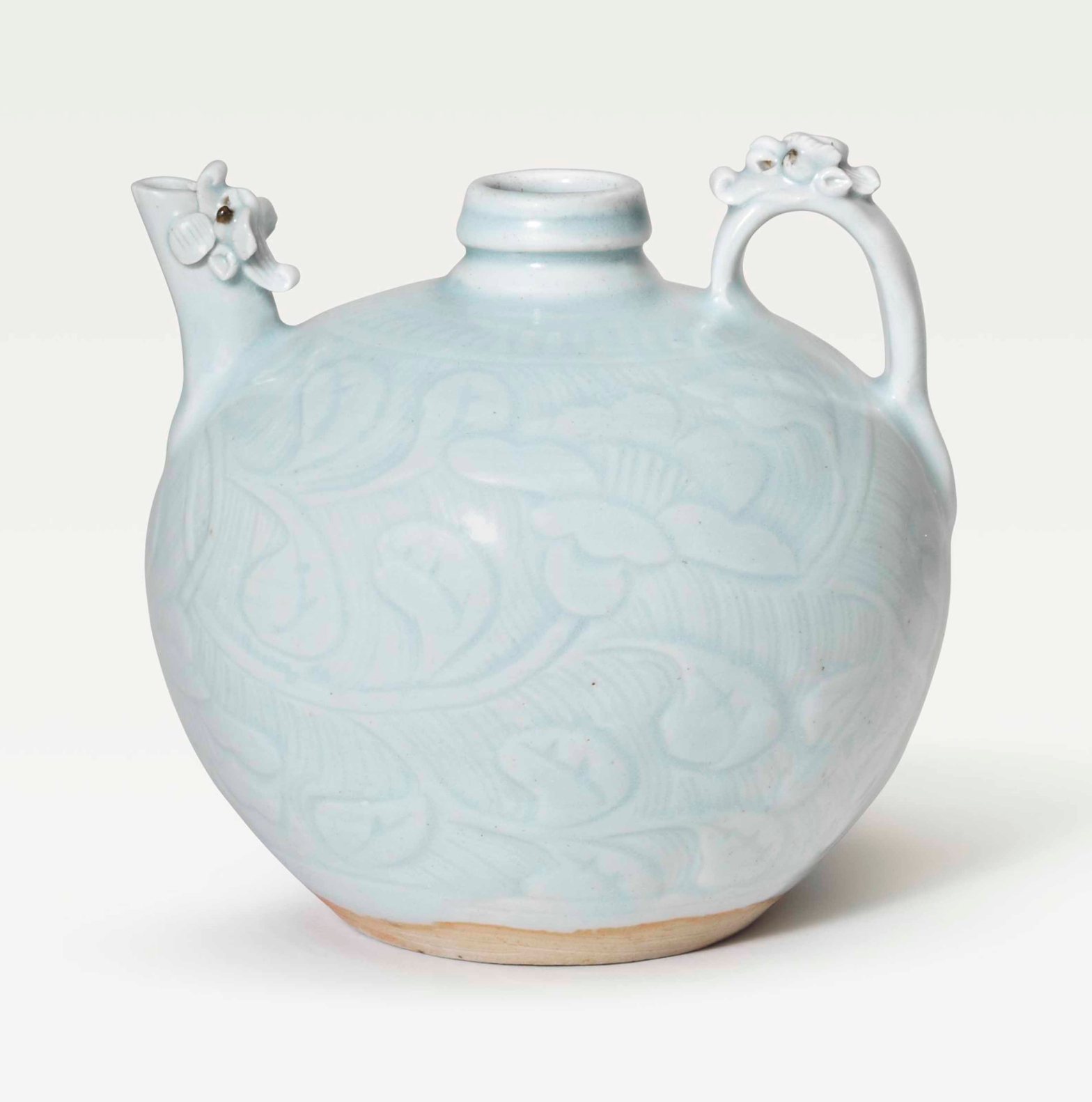
Qingbai ware was produced during the Southern Song and into the beginning of the Yuan dynasty in the 14th century at sites around Jiangxi, mostly at the Jingdezhen kilns but elsewhere, even Jizhou, as well. It was never an imperial ware: it was designed for the merchant class, to mimic Ding wares. But Qingbai achievedContinue reading “Ceramics Saturdays: Qingbai ware”
Ceramics Saturdays: Jizhou Ware
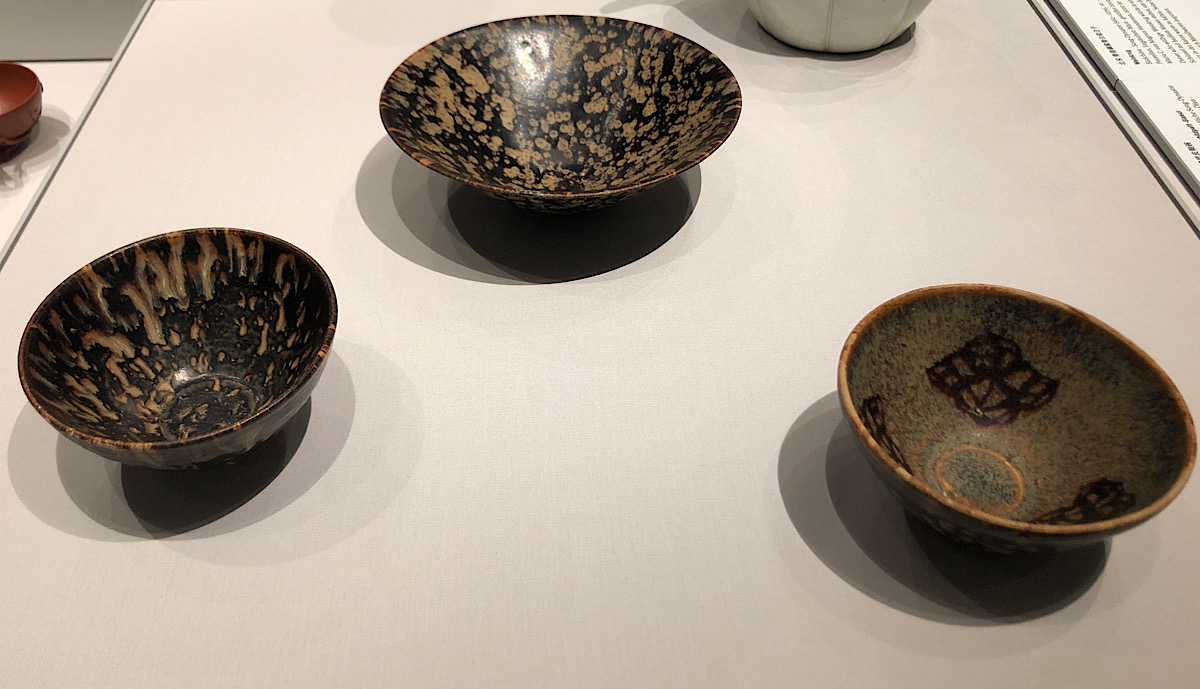
Though we’re through the Five Great Kilns now, there are still some really spectacular Song ceramics you should know about. We’ll start with my favorite kiln: Jizhou. Fired in Jiangxi during the Southern Song (1127-1279), these wares weren’t intensely prized at the time: their body was a relatively drab and coarse gray-brown, and their glazeContinue reading “Ceramics Saturdays: Jizhou Ware”
Ceramics Saturdays: Ru Ware
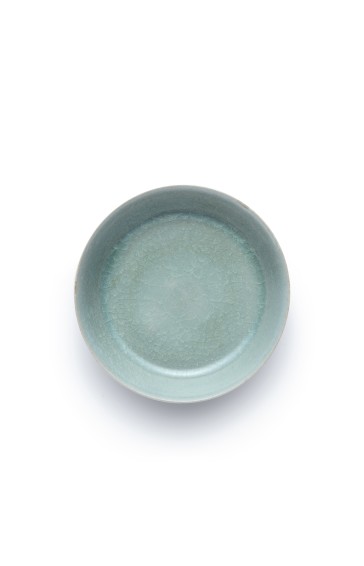
Ru ware is the rarest of the products of the Five Great Kilns of the Song Dynasty: only about 90 examples are still extant, and on the even rarer occasions they come up for auction, they fetch millions of dollars apiece. They were thrown only at a single kiln site in Henan for a periodContinue reading “Ceramics Saturdays: Ru Ware”
Ceramics Saturdays: Ge Ware
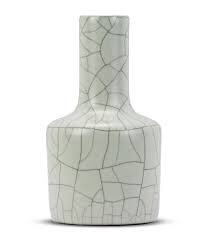
Our fourth Great Kiln of the Song Dynasty is a controversial one. Ge ware is very similar to Guan ware, so much so that scholars cannot agree on a definitive distinction. The celadon is less green overall and the glaze crackling more pronounced—what is called “double crackle,” with both fine crazing and stark, dark linesContinue reading “Ceramics Saturdays: Ge Ware”
Ceramics Saturdays: Guan Ware
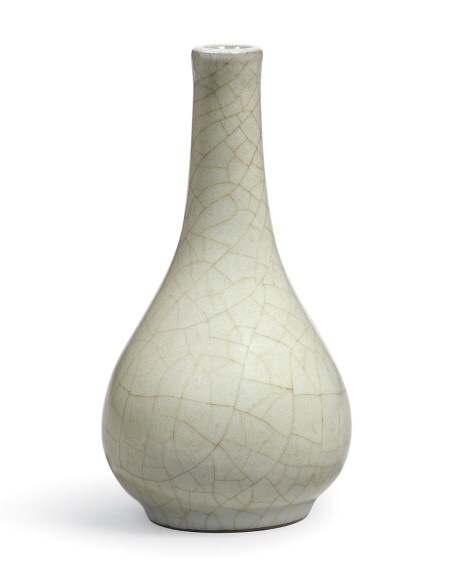
Song Dynasty ceramics marked “guan” were designated for use by the Imperial Court. But the term came to be associated with one of the Five Great Kilns in particular, near Zhejiang during the Southern Song (1127-1279). Guan ware is technically a form of celadon, but the precise glazing technique is not entirely understood. Multiple layersContinue reading “Ceramics Saturdays: Guan Ware”
Ceramics Saturdays: Ding Ware
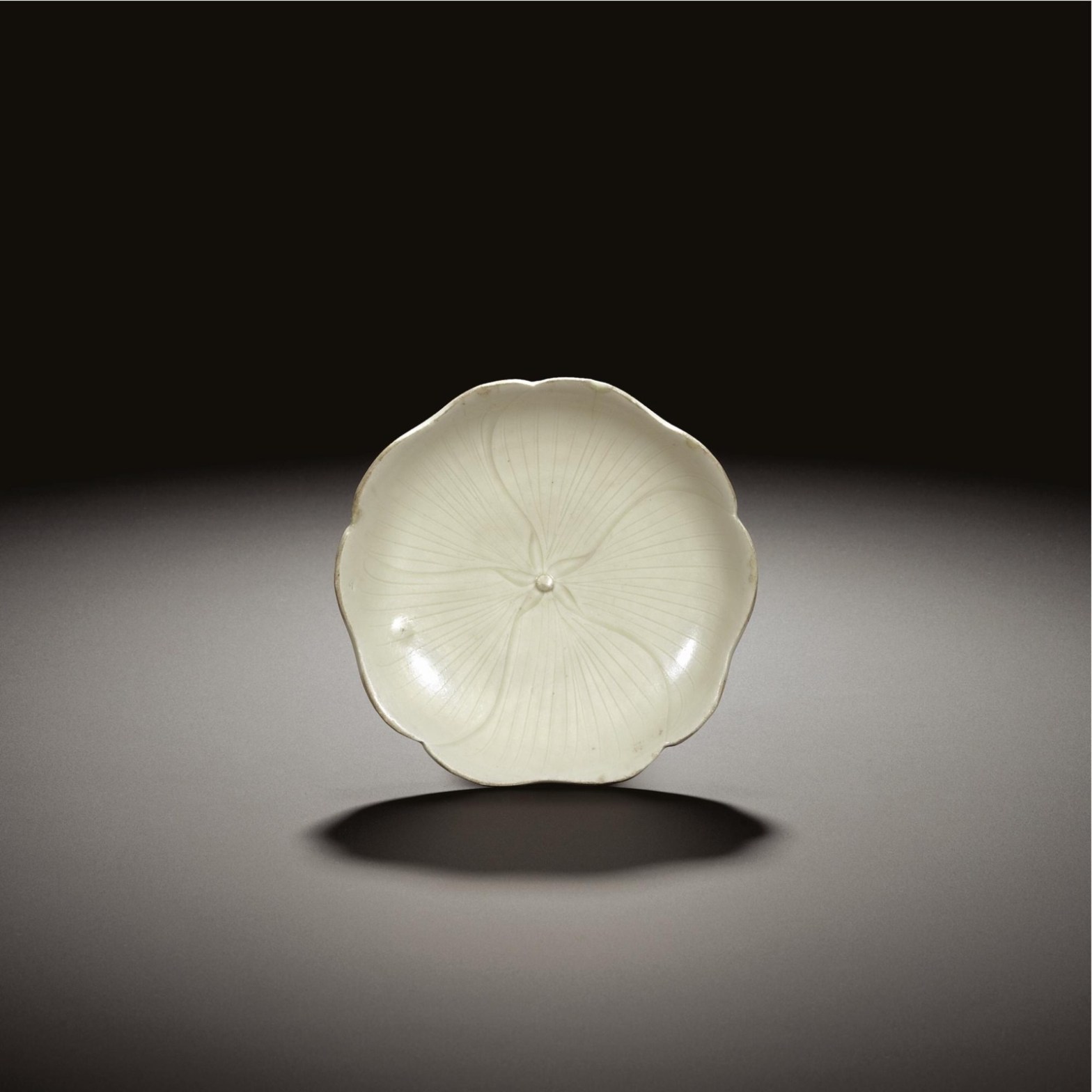
The second entry in our series on the Five Great Kilns of the Song Dynasty…Ding ware was produced at a kiln in the north of China, near Hebei, during what is known as the Northern Song, the first of two peaks of imperial and cultural power during the 300-year dynastic period. Ding wares are typicallyContinue reading “Ceramics Saturdays: Ding Ware”
Ceramics Saturdays: Jun Ware
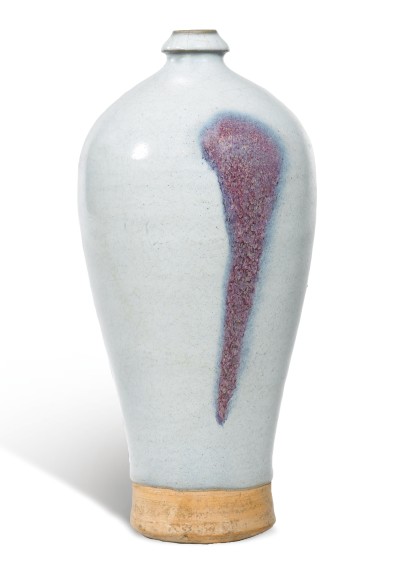
In homage to Tiara Thursdays, I thought I would start a series about ceramics, a minor obsession of mine I’ve previously written about here and here. We’re starting with the Five Great Kilns of the Song Dynasty (960-1279 CE), each of which produced wares that were collected by emperors, scholars, and aristocrats as soon asContinue reading “Ceramics Saturdays: Jun Ware”
 The Rookery