As I wrote last week, I’ve been reading about forgiveness and talking to people about it and praying about it and obsessing over it basically since the day my husband came home and told me he was walking out on me and our 18-year marriage for a woman he had known for three weeks. So,Continue reading “Forgiveness”
Author Archives: mourningdove
Ceramics Saturdays: Chinese v. Korean Dragons
I’m going to do a post next week on Korean celadons, but since I was at the Asian Art Museum in San Francisco last weekend, a veritable treasure trove of Asian ceramics, I thought I would illustrate a fun fact first: there’s a neat trick to tell if you have a Chinese or Korean vaseContinue reading “Ceramics Saturdays: Chinese v. Korean Dragons”
Friday Favorites: Feedly Clean-up
This one goes to 11. Woody perfumes are my favorite, and cedar is my favorite note in that category. This is a really nice deep dive from Fragrantica into where those notes comes from. I hate Strava for a number of reasons, but I absolutely love it when people use it (and other GPS-tracking apps)Continue reading “Friday Favorites: Feedly Clean-up”
Birthday Festschrift: 30-40
I got more into art this decade and less into music; more into poetry and less into fiction. Story I wrote this based on a story my best friend told me about her childhood: of course, I significantly exaggerated and elaborated from there, as fiction writers are wont to do. It’s called “The Yellow Dress.”Continue reading “Birthday Festschrift: 30-40”
Makgeolli
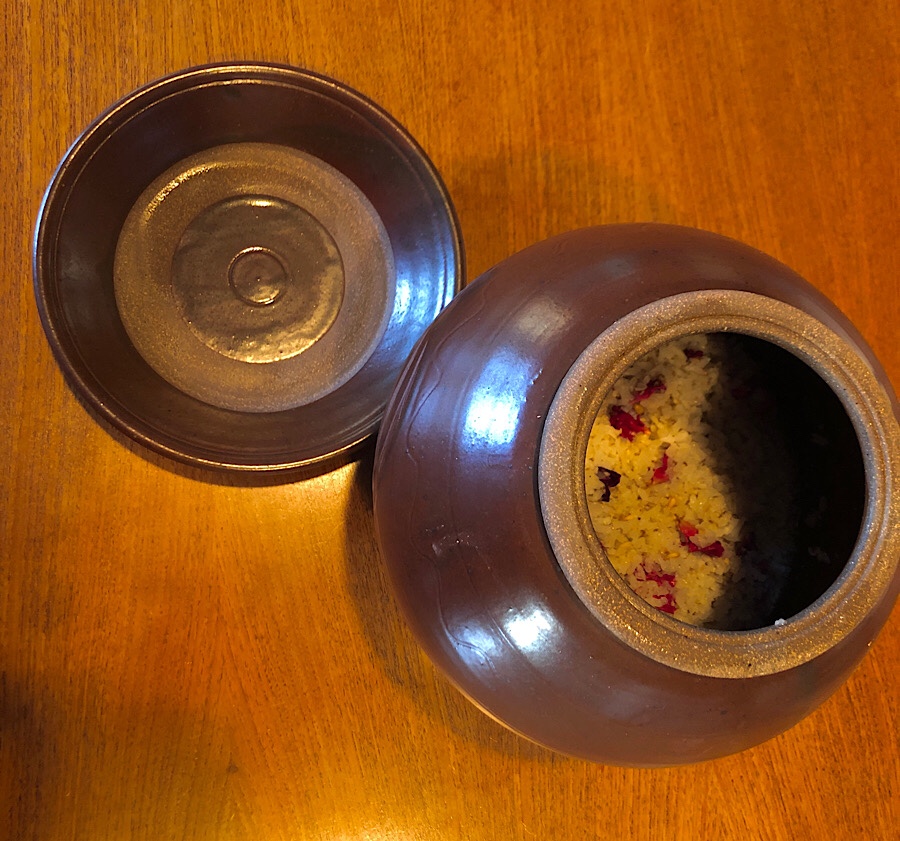
I’ve wanted an onggi since I saw the beautiful jang garden at Baekyangsa Temple (see below). And I wanted one of the traditional ones they still make in Jeolla-do. There’s nothing like an onggi for managing fermentation: it allows carbon dioxide to escape without allowing molds and other pathogens to settle in the ferment. BecauseContinue reading “Makgeolli”
Hagiwara Tea Garden
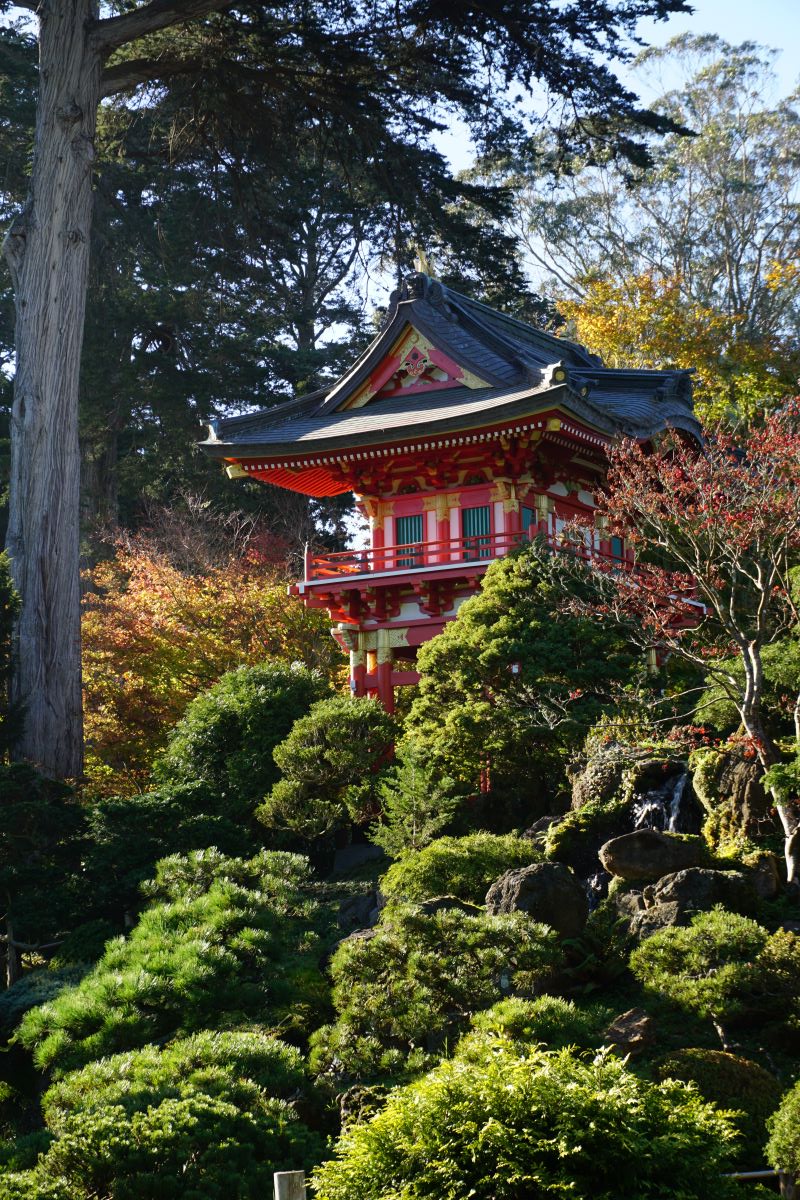
This is one of my favorite spots in the world. Cradled at the heart of Golden Gate State Park in San Francisco, the garden’s story is as intensely bittersweet as the matcha served in its teahouse, with episodes of triumph, heartbreak, cruelty, and grace; you can read it here. The garden is gorgeous in everyContinue reading “Hagiwara Tea Garden”
The Angel of Resentment
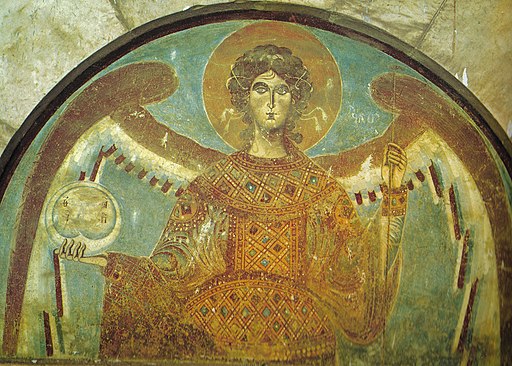
I’ve prayed a lot about forgiveness over the last two years. I’ve thought a lot about it, read a lot. Most of what’s been written on forgiveness in Christian circles assumes the goal is reconciliation in ongoing, otherwise healthy relationships. There’s not as much written and preached on forgiveness in situations of abuse and abandonment.Continue reading “The Angel of Resentment”
Ceramics Saturdays: The Moon Jar
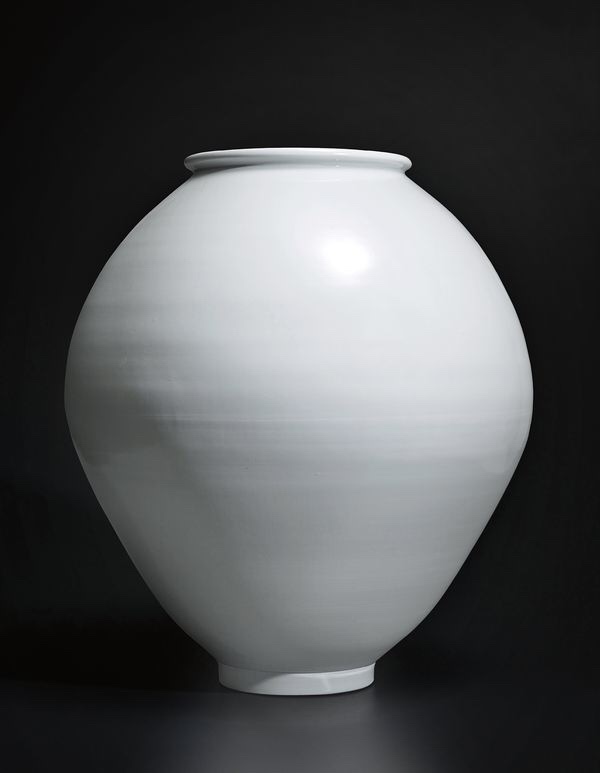
The next couple of entries in Ceramics Saturdays are going to be about Korean ceramics. The moon jar (dalhangari) is one of the most, if not the most, famous of Korean ceramic forms. Thrown all throughout the Joseon Dynasty (1392-1910), the most collectible and prized examples today date from the 18th century, when technique andContinue reading “Ceramics Saturdays: The Moon Jar”
Birthday Festschrift: 20-30
This was probably my most productive decade for creative stuff because it’s the last decade I wasn’t in academia (well, half the decade). It is a sad truth that there is only so much Creativity Juice in any one person, and even though it doesn’t seem like it, teaching freshmen how to write, reading theory,Continue reading “Birthday Festschrift: 20-30”
Unauthorized Uses: Wine Corks

After I hosted 11 people for Thanksgiving, several of them serious wine enthusiasts, I ended up with a lot of corks. I rubbed my hands together in glee. There’s nothing I like better than a wine cork for multi-purpose Rigging of Things. I already mentioned corks in a previous post, but wine corks’ size makesContinue reading “Unauthorized Uses: Wine Corks”
 The Rookery