Anytime I visit a museum in Japan I’m struck by how much of what we call “modern” art and design in Europe and the U.S. looks like very old Japanese traditions. It’s not just a coincidence of forms, either: when Japan re-opened to Western trade during the Meiji, Japanese arts and crafts flooded the European market, and European artists made pilgrimages to Japan to shop and study their art traditions. The Arts & Crafts and Impressionist movements owe a heavy debt to Japanese influences, but so do the Bauhaus and mid-century Danish designers of the 20th century. (Of course the influence ran both ways, as it always does, particularly in the case of “Japanese Bauhaus“).
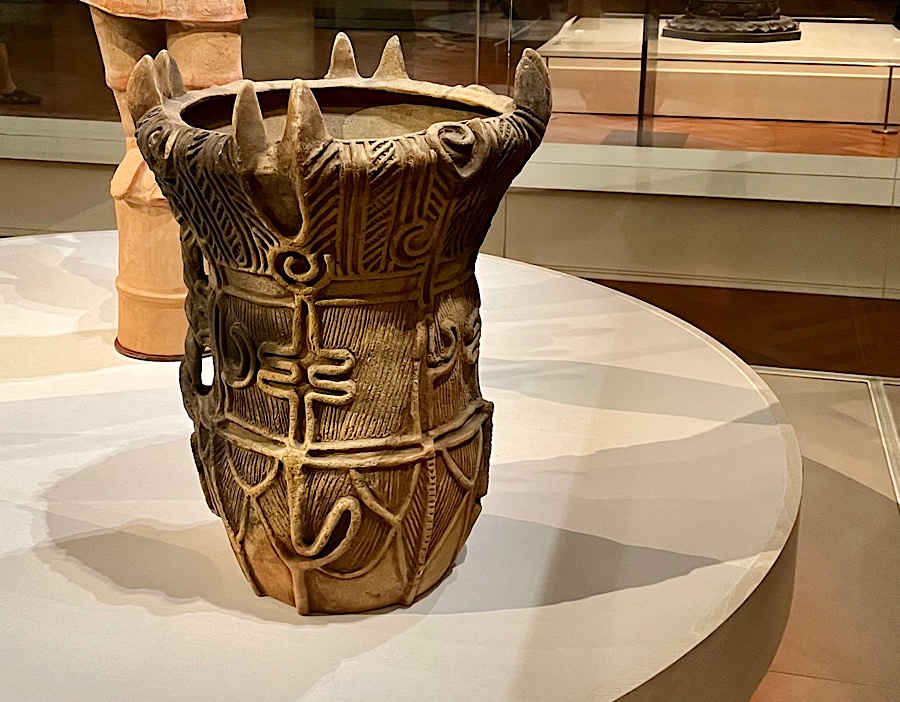
I was nowhere struck more strongly by this notion as when I stood in front of a few magnificent pieces of Jōmon (literally, “cord pressed”) ware last week at the Tokyo National Museum. Extremely old and just as rare to discover intact after 2,500 to 16,000 years, Jōmon wares feature a coiled construction, which on the one hand makes them so simple that a child can construct them (as I did with my art teacher in 2nd grade) and so difficult that the building of a jar this size would be beyond the skills of many present-day potters. The swirling encrustations and cord-fiber patterns evoke comparisons with Grayson Perry’s or Andrea Moon’s contemporary ceramics–and at least in Perry’s case, his Japanese influences are well-documented.
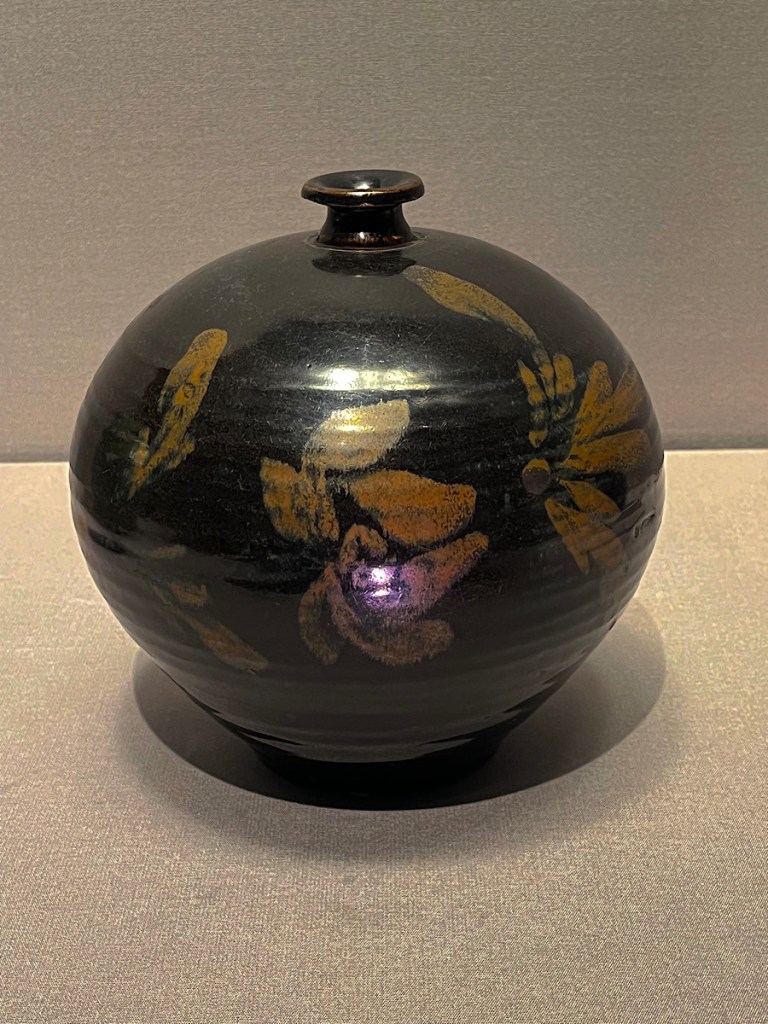
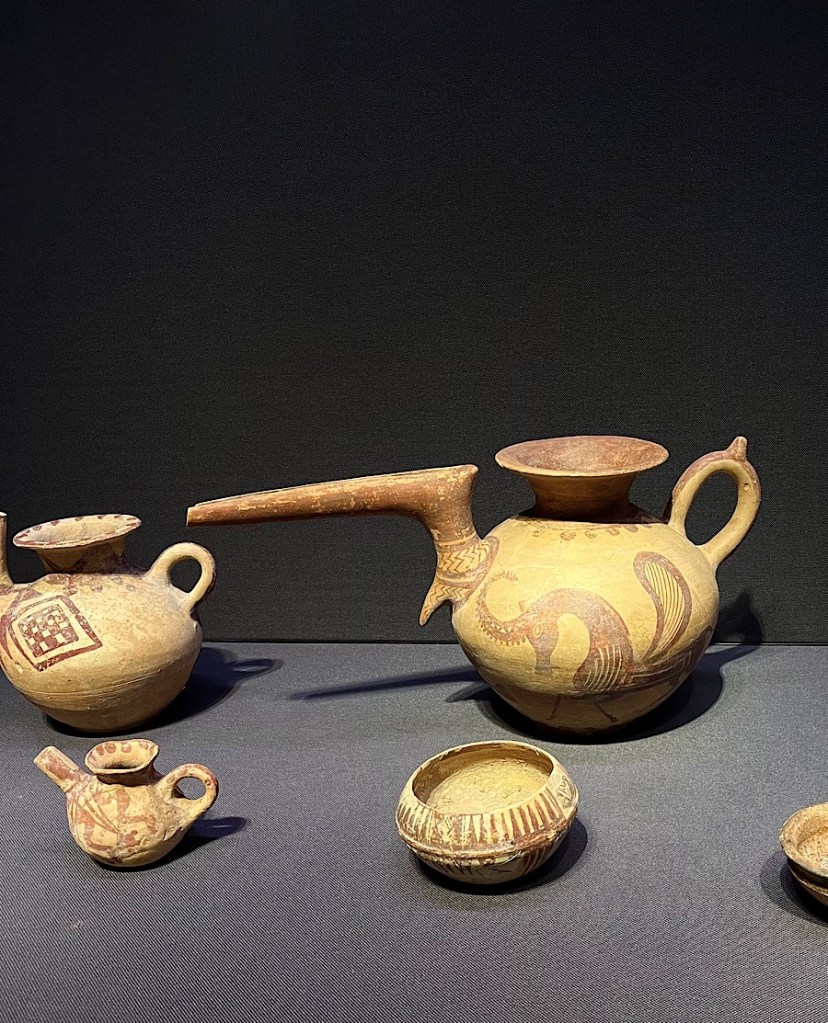
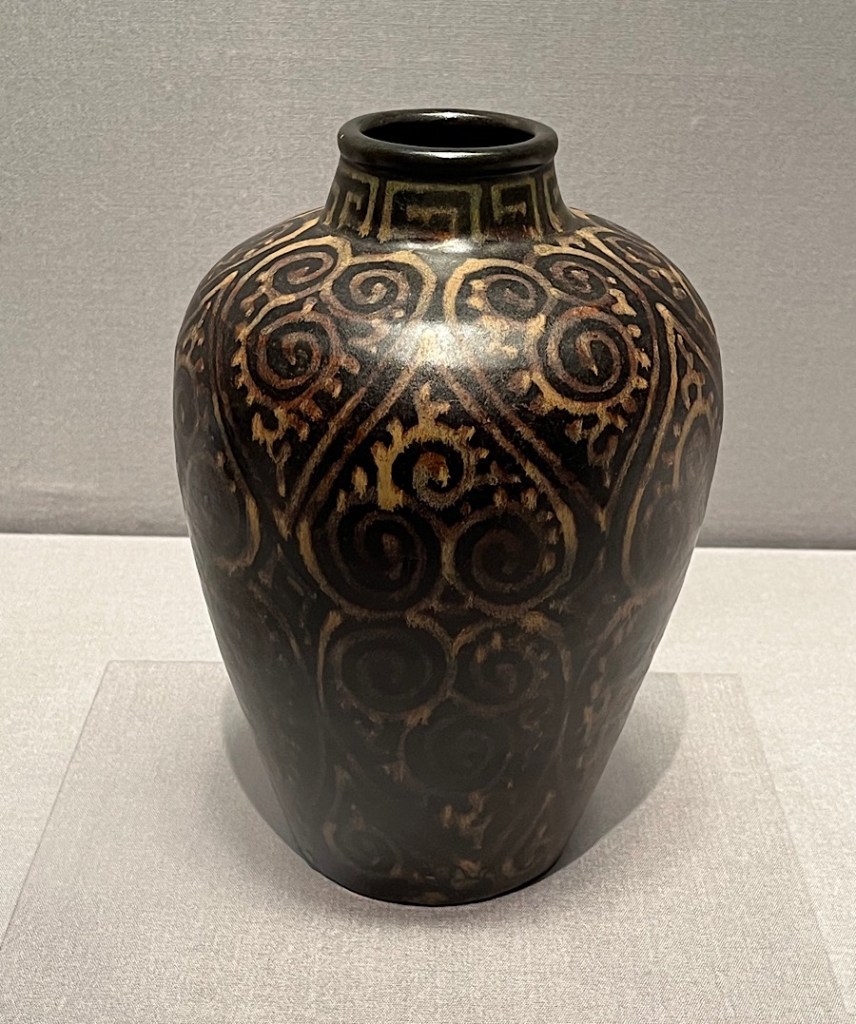
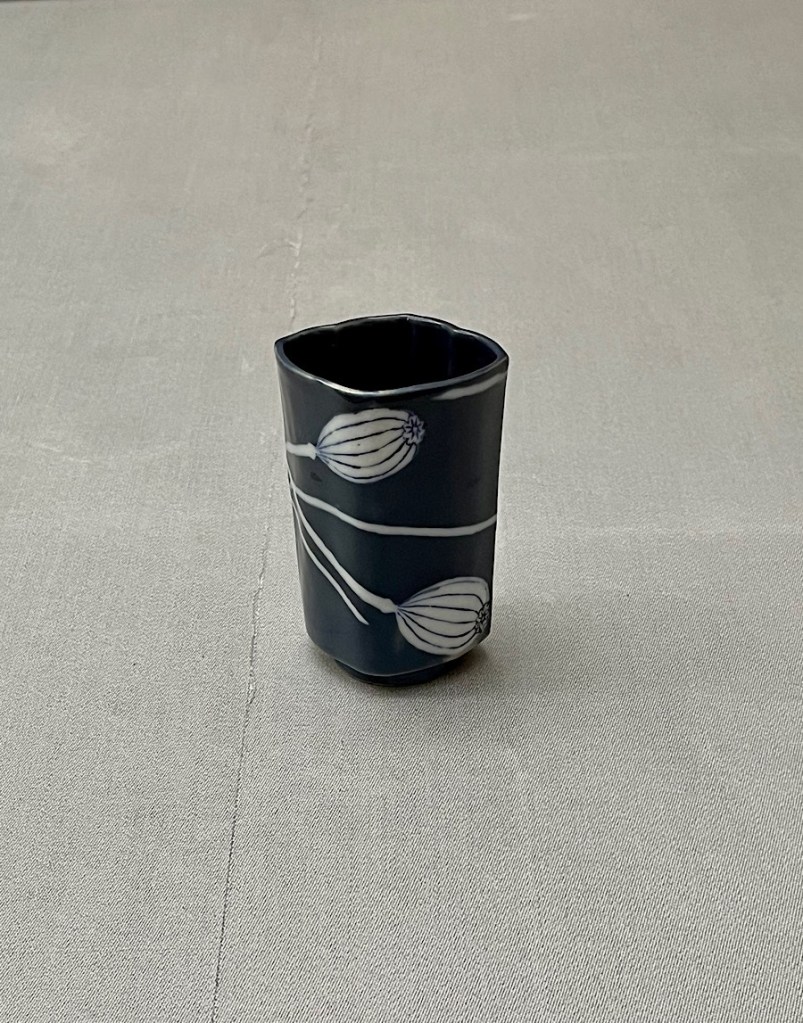
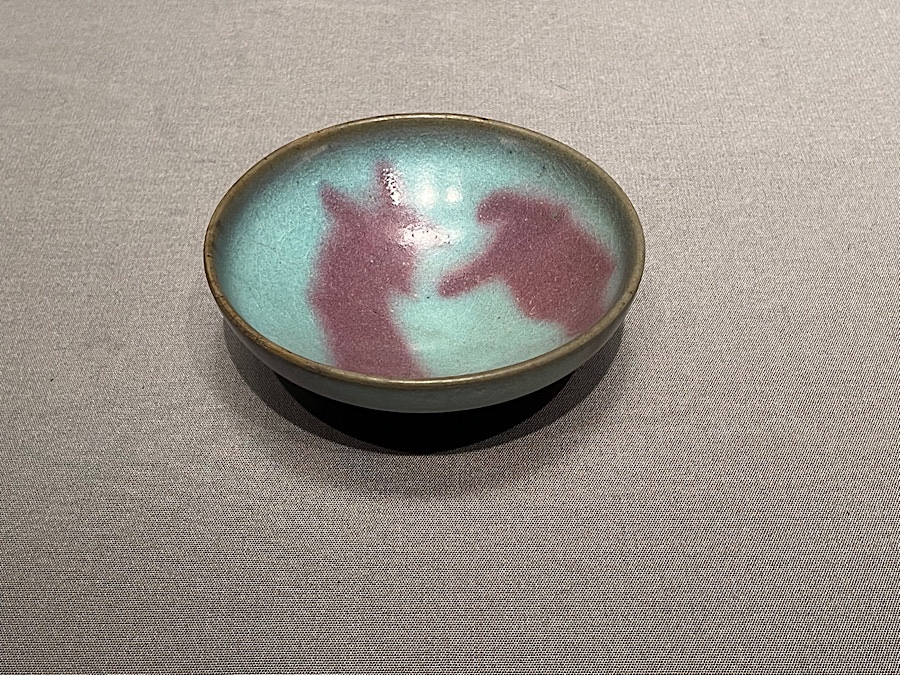
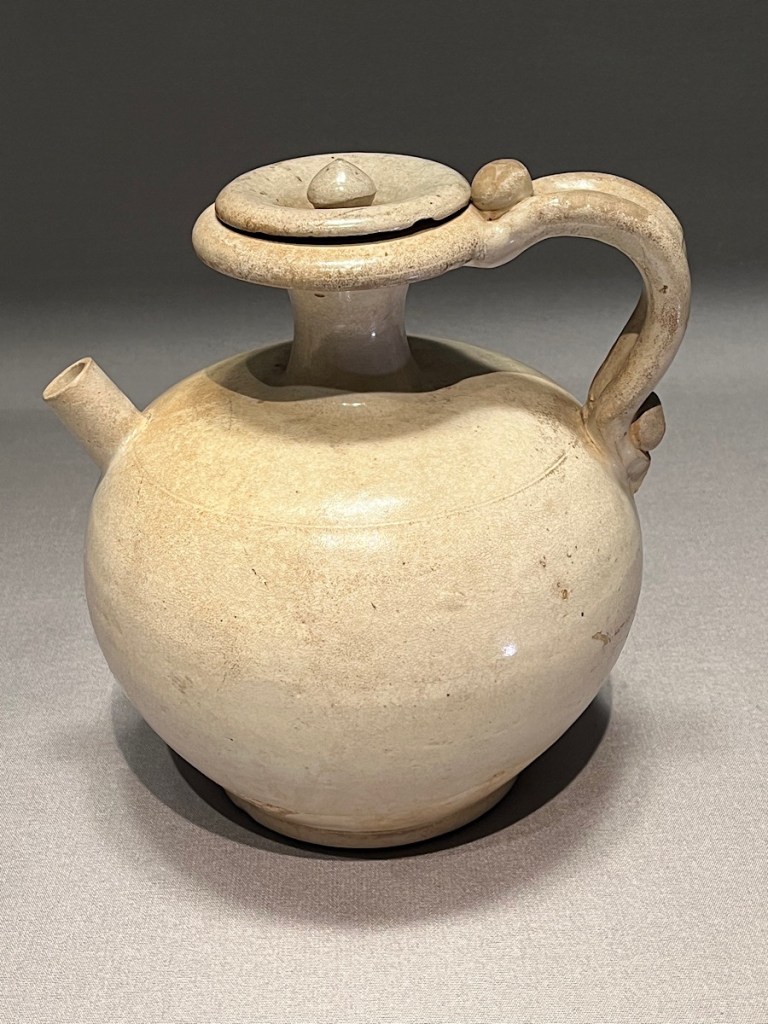
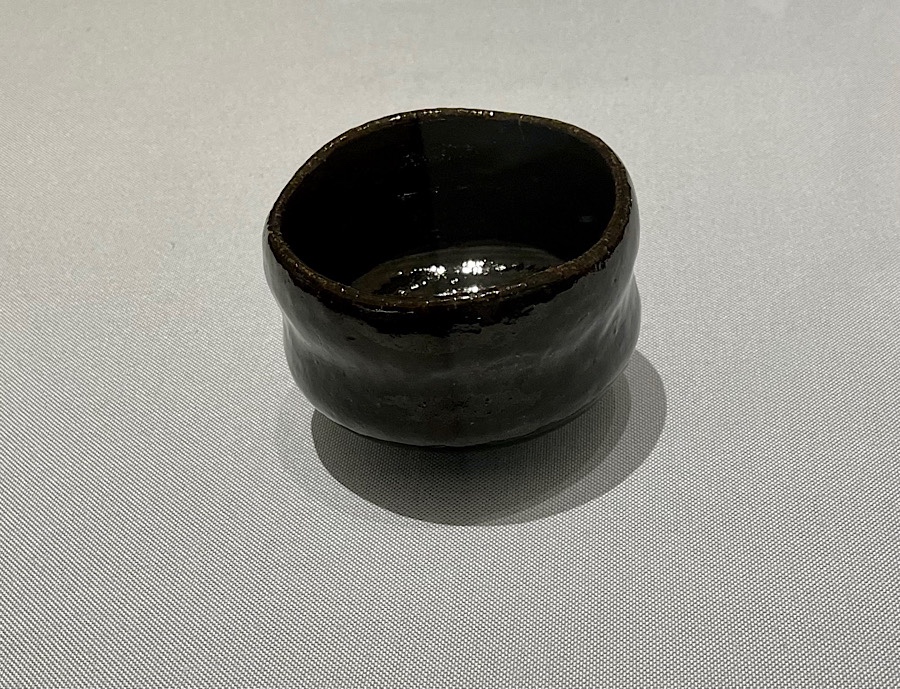
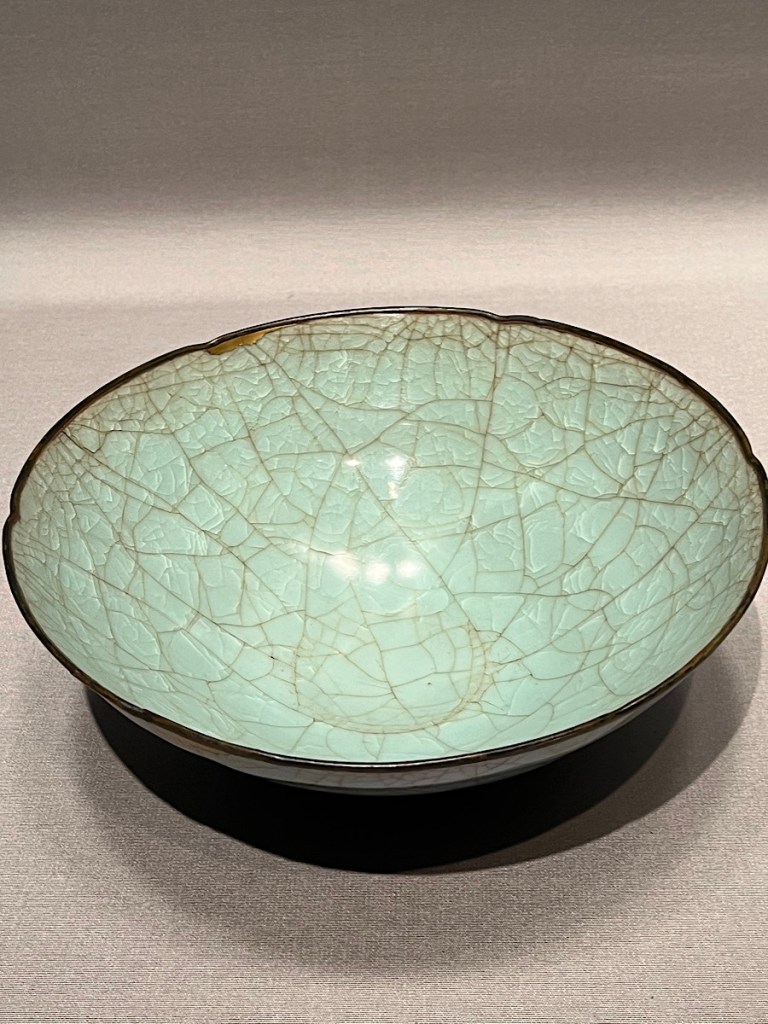
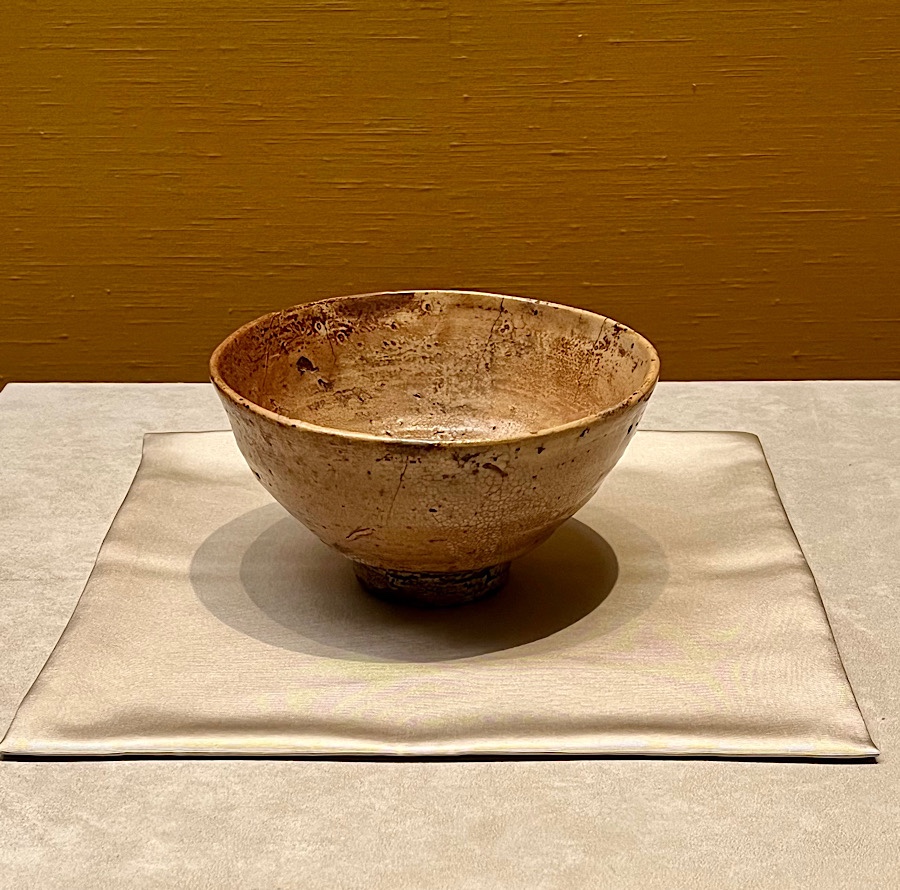
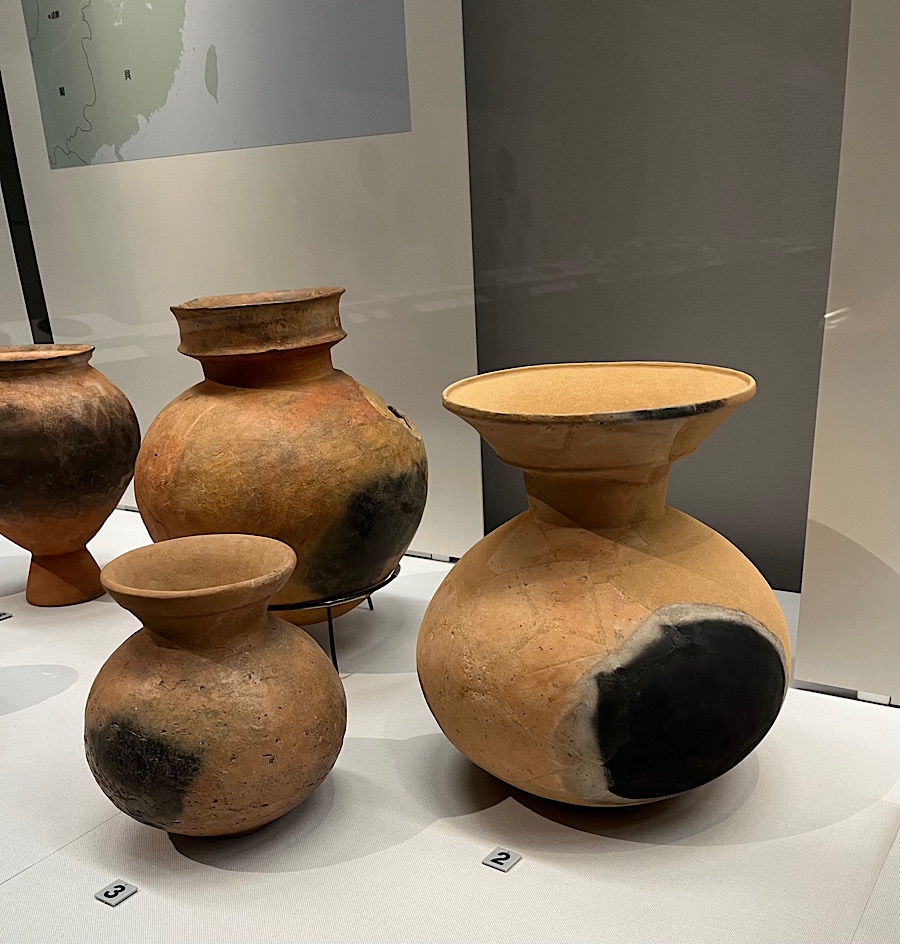
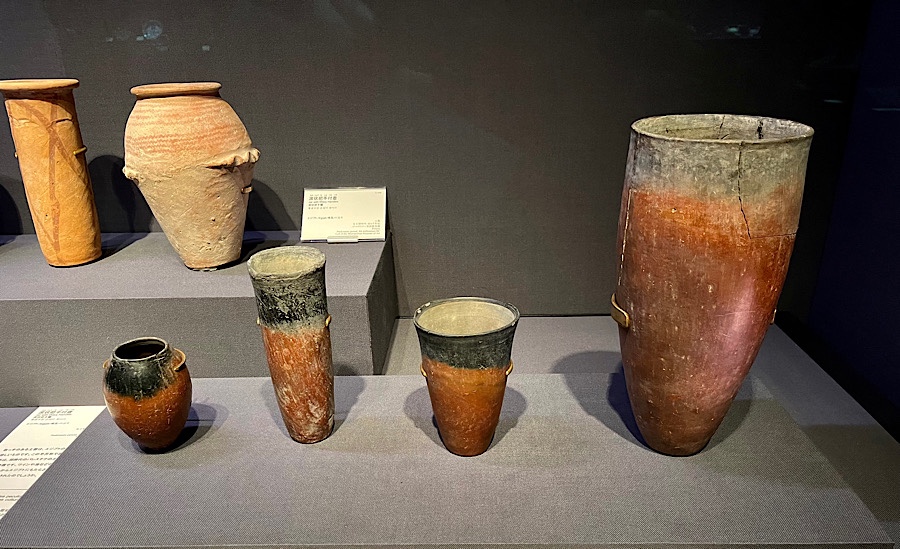
Of course the Tokyo National Museum also contains other wonderful ceramics, as it’s home to many of Japan’s National Treasures in this category. Check out a few other items in the gallery below.
 The Rookery